TL;DR
Natural hazard disclosure reports outline the environmental risks tied to a specific property: flood zones, seismic hazards, fire risk, and more. For property owners and P&C brokers, these reports directly influence insurance premiums, coverage decisions, and risk mitigation strategies. Understanding what's in a natural hazard disclosure report, and acting on it early, is the difference between adequate coverage and costly gaps.
A single document can significantly affect your property insurance costs, coverage requirements, and risk mitigation strategy – and most property owners don't review it closely enough. The natural hazard disclosure (NHD) report is a key tool for property owners and insurers. It reveals crucial details about environmental risks tied to a property, including flood zones and fire hazard areas. This information isn't just about following the law, it's about smart decision-making to safeguard your investment and potentially cut thousands from your insurance bills.
Let's explore how these reports work and why they're so valuable for anyone dealing with property insurance.
What Is a Natural Hazard Disclosure Report and What Does It Cover?
What Is a Natural Hazard Disclosure Report?
An NHD report is a detailed document that outlines potential environmental risks for a specific property. It acts as a risk profile, providing key information about natural hazards like floods, earthquakes, wildfires, and other geological threats that could impact a property. These reports are often required by law in many states during real estate transactions, but they're also valuable tools for property owners and insurance professionals.
Why Are These Reports Important for Property Owners?
These reports function as an early warning system. They help you grasp the potential risks your property faces, enabling you to make smart decisions about insurance coverage, risk reduction strategies, and property improvements. For example, if your report shows a high flood risk, you might consider elevating critical systems or installing flood barriers. This approach can protect your property and potentially lower your insurance premiums.
Legal Requirements for Natural Hazard Disclosures
Many states require sellers to provide natural hazard disclosure reports to potential buyers. It's important to understand your local requirements to ensure compliance and avoid potential legal issues. For example, in California, the Natural Hazard Disclosure Statement is a mandatory part of real estate transactions.
Even if not legally required in your area, these reports remain valuable tools for risk assessment and management.
Key Components of a Natural Hazard Disclosure Report
Understanding the NHD report allows you to take steps to protect your property and potentially reduce insurance costs. Let's explore the key components of these reports and how they can shape your property insurance strategy.
Flood Zones and Flood Risk Assessment
The Federal Emergency Management Agency (FEMA) designates these zones to show how likely flooding is to occur in certain areas. A typical report includes the flood zone classification for a property, which can range from Zone X (low risk) to Zone A or V (high risk). This information is important for both property owners and insurance companies because it affects flood insurance requirements and the cost of premiums.
Seismic Hazard Zones and Earthquake Risk
For areas prone to earthquakes, the report provides details about potential seismic risks. This includes data on fault lines, areas prone to liquefaction, and regions susceptible to landslides. Having this information helps property owners make smart choices about strengthening their buildings and getting earthquake insurance.
Fire Hazard Severity Zones
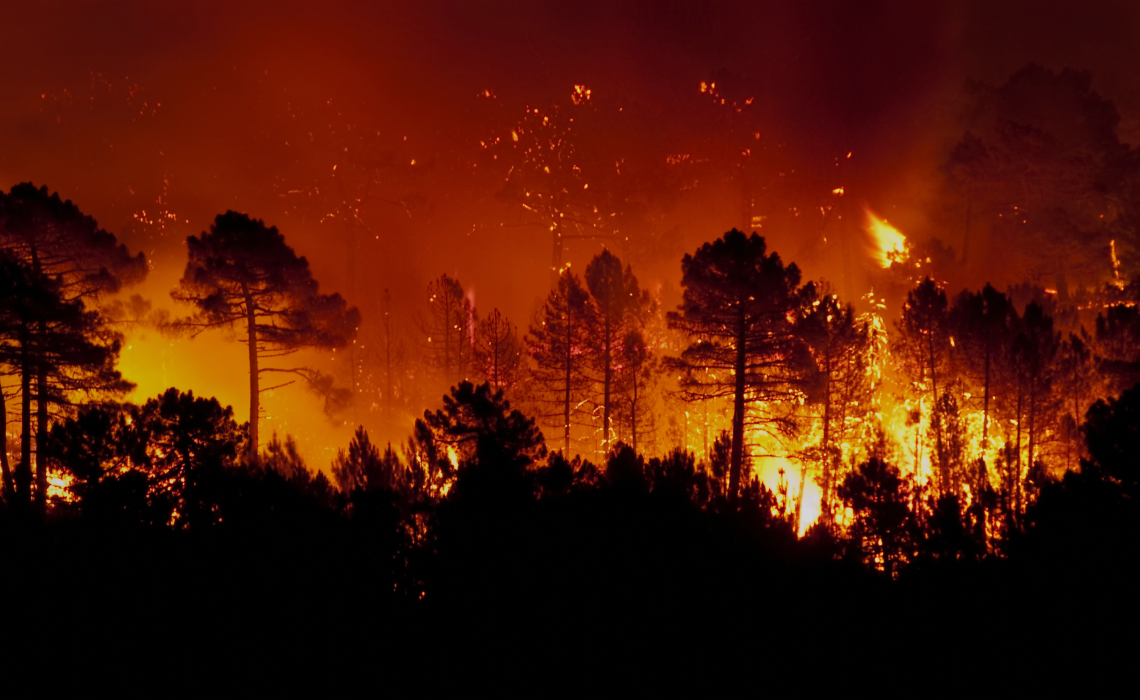
As wildfires become more frequent in many regions, fire hazard severity zones have become an important part of these reports. These zones, usually labeled as moderate, high, or very high risk, assist property owners and insurers in evaluating the likelihood of wildfire damage. This knowledge can shape decisions about yard design, construction materials, and home improvements that resist fire.
Other Potential Natural Hazards Covered
Natural hazard disclosure reports might include information about additional risks based on the property’s location:
- Tsunamis in seaside areas
- Volcanic activity in specific regions
- Subsidence or sinkholes in places with certain geological features
- Dam inundation zones for properties close to large water reservoirs
Each of these factors contributes to determining a property's overall risk profile and can greatly influence insurance considerations.
cta-inline-card

AI Agent for Insurance Brokers
-

Ingests and repairs your data automatically
SOVs, Loss Runs, Revenue, Payrolls, Vehicle lists, and more
-

Remediates issues before they hit modeling
Fix problems, explain impact, and track progress
-

Provides action-oriented recommendations
Prioritize open items and resolve gaps faster
AI Agent for Insurance Brokers
-
Ingests and repairs your data automatically
SOVs, Loss Runs, Revenue, Payrolls, Vehicle lists, and more
-
Remediates issues before they hit modeling
Fix problems, explain impact, and track progress
-
Provides action-oriented recommendations
Prioritize open items and resolve gaps faster
AI Assistants for Insurance Brokers 4 Order Test
-
SOV Manager 4
Your Personal AI Risk Analyst that fixes your SOV and populates data automatically
-
PreCheck 4
Your AI Underwriting Assistant that reviews and improves your submission before it hits the market
-
Property Hub 4
Offers advanced insights and access to industry-leading data sources
AI Agent for Insurance Brokers 3
-
SOV Manager 3
Your Personal AI Risk Analyst that fixes your SOV and populates data automatically
-
PreCheck 3
Your AI Underwriting Assistant that reviews and improves your submission before it hits the market
-
Property Hub 3
Offers advanced insights and access to industry-leading data sources
How Natural Hazard Disclosure Reports Affect Insurance
Impact on Property Insurance Premiums
NHD reports significantly influence property insurance premiums. For example, properties situated in high-risk flood zones may face steeper premiums due to the higher probability of flood-related claims. On the flip side, properties in low-risk areas might benefit from more budget-friendly rates. It's essential for property owners to grasp this relationship, as it directly affects their insurance expenses.
Risk Mitigation Strategies Based on Report Findings
Equipped with insights from these reports, property owners can take action to lower their risk profiles. This could involve installing storm shutters in areas prone to hurricanes, strengthening structures in earthquake-prone regions, or creating defensible space around properties at risk of wildfires. These measures not only boost safety but can also result in insurance discounts.
Insurance Coverage Considerations for High-Risk Areas
Properties in high-risk zones often require specialized insurance coverage. For instance, typical homeowner policies usually don't include flood damage protection, making separate flood insurance necessary for properties in flood-prone areas. Likewise, earthquake insurance is frequently an additional policy in seismically active regions. Natural hazard disclosure reports assist property owners and insurance brokers in identifying these specific needs, ensuring thorough coverage tailored to the property's unique risk profile.
How Archipelago's Agent Supports Natural Hazard Disclosure Report Data Management
Enhancing Data Accuracy with Archipelago's Agent
AI-powered solutions are transforming how we handle natural hazard data, and Archipelago's Agent offers a streamlined approach to managing this critical information. The Agent automatically processes Property & Casualty data, using SOVs, Loss Runs, Revenue, Payrolls, Vehicle lists, and Income Statements, which significantly reduces processing times while improving accuracy rates. The Agent serves as a quality control system that examines data before it moves to modeling, helping teams spot and fix potential issues early while delivering excellent results for clients.
Streamlining the SOV Process for Better Risk Assessment
The Statement of Values (SOV) is a critical document in the property insurance landscape. It provides a comprehensive summary of all insurable properties and their corresponding values, serving as a foundation for determining coverage levels and premiums. The SOV takes into account the insights provided by the Natural Hazard Disclosure report, integrating environmental risk data into the overall assessment of a property's insurability. By aligning the SOV with the risks highlighted in the NHD report, property owners can ensure their coverage is both adequate and tailored to the specific hazards that may affect their assets.
The statement of values (SOV) is key for property insurance, but it can take a long time and often has mistakes. Archipelago's Agent streamlines statement of values and casualty exposure data processing through automated insurance solutions. Processing accounts in under 24 hours with zero-touch automation lets insurance brokers spend more time on analysis instead of manual data entry. This leads to more accurate risk assessments and up to 15% AAL reduction for property owners.
Empowering Insurance Brokers with Collaborative Data Management
Archipelago's Agent gives insurance brokers powerful insights through automated data processing and continuous data enhancements, sourcing information from structural engineering rules, construction codes, and third-party sources like CoreLogic. The Agent enables entire broker teams to collaborate effectively on portfolio management tasks, with multiple team members able to update and access exposure data simultaneously, ensuring consistency and delivering faster, more accurate service to clients.
Archipelago's Agent helps property owners and insurance professionals make smarter choices about natural hazard risks. The Agent automatically ingests, remediates, and provides recommendations for Property and Casualty exposure data, giving a clearer picture of possible risks. This allows for more tailored insurance solutions and better risk management strategies. As natural hazards keep causing big problems, using AI to understand and act on this data becomes more and more important.
Contact us to learn more about how Archipelago's Agent can help you with accurate natural hazard disclosure report data management.
Conclusion
NHD reports serve as essential resources for property owners and insurance professionals. These reports offer key information about potential risks, allowing for better decisions regarding property management and insurance coverage. Understanding flood zones, seismic hazards, fire risks, and other environmental factors that affect a property enables owners to take steps to safeguard their investments and potentially lower insurance costs.
Archipelago's Agent has transformed the way this data is analyzed and processed. This AI-powered solution gives insurance brokers control to remediate issues, explain impact, and track progress, improving the SOV process and enhancing risk assessment abilities.
As natural hazards continue to present significant challenges, using advanced technology for risk management becomes increasingly important. Contact us to discover how Archipelago can help you maximize the benefits of natural hazard disclosure reports, enhance your property insurance approach, and protect your valuable assets through automated data processing and continuous enhancements.
FAQs
How often should I review my NHD report?
Once a year is a good baseline. Natural hazard risks can shift due to weather pattern changes, local development, or updated FEMA maps, so annual reviews help ensure your coverage and risk assessment stay current.
Can a natural hazard disclosure report affect my property's value?
Yes. High-risk classifications for floods or wildfires can reduce property value by raising insurance costs and buyer perception of risk. Taking mitigation steps based on the report, like fire-resistant materials or flood barriers, can help offset this.
Are natural hazard disclosure reports required for commercial properties?
Requirements vary by state and property type. Many states do require NHD reports for commercial transactions, particularly in high-risk areas. Even where it's not legally required, getting one is good practice for risk planning and insurance purposes.
How do NHD reports differ from home inspections?
An NHD report covers external environmental risks: floods, earthquakes, wildfires based on the property's location. A home inspection assesses the physical condition of the building itself. Both are useful, but they answer different questions.
Can I dispute the findings in a natural hazard disclosure report?
Yes, but it requires strong supporting evidence, typically a licensed surveyor or engineer's assessment. In some cases, you may need to work with local authorities to update official hazard maps. A successful dispute can lead to a revised classification and lower insurance costs.
Share this
Fire Hazard Maps and Their Critical Role in Wildfire Protection

Roof Inspection for Insurance: What Brokers Need to Know